Chain of custody in an election
What makes a result defensible: the unbroken trail of form, place and time from the station to the tally.
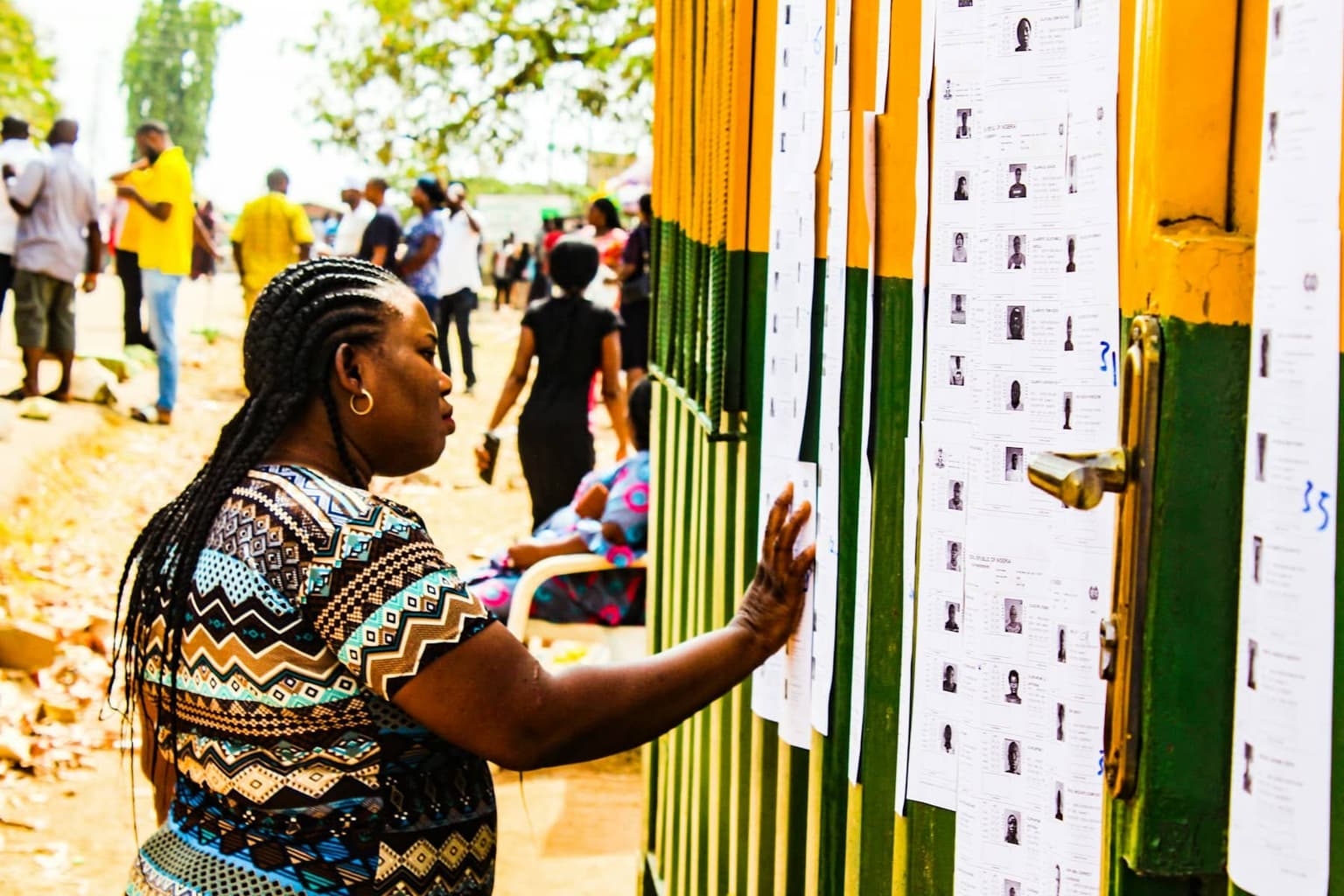
A result is only as strong as the record behind it. Chain of custody is the unbroken, documented trail that connects a final number back to where it came from: the primary form, the place, the person, and the time. If you cannot show that trail, you cannot defend the number. If you can show it, you can.
The chain, link by link
Take a single figure in a county total and walk it backwards:
- The primary record. The figure starts as a number written on the primary results form, posted at the polling station, witnessed and signed in the room.
- The capture. Someone records that number, ideally with a photograph of the form itself, so the source stays with the number instead of a transcription.
- The provenance. The capture carries where it happened, the station and its GPS position, when it happened, and who submitted it. A number with no place, time or author is a number you cannot trace.
- The aggregation. The station figure goes into the constituency and county totals through a process you can inspect, not a black box.
- The changes. If anyone corrects a figure, the correction goes into the log: what changed, when, and by whom. Nothing is overwritten in silence.
Break any link and the chain fails. A number transcribed without the form behind it cannot be checked against the source. An edit with no record cannot be trusted. A total you cannot break back down into its stations cannot be defended.
Why it decides disputes
When a result is questioned, the argument is almost never about opinion. It is about provenance: show me where this number came from. A campaign or observer that captured the photographed form for every station, with the place and time attached, walks in with an answer. One that has a spreadsheet of numbers typed from phone calls walks in with a liability.
This is also why an append-only record matters. If your own evidence can be edited after the fact without a trace, it is worth less, to you and to anyone who weighs it. The strongest position is a record where every entry is kept and every change is visible.
Building it in
Chain of custody is a property you design in from the first capture, not a document you write afterwards. Photograph the source, stamp it with place, time and author, aggregate in the open, and log every change. That is what makes a parallel vote tabulation defensible instead of another set of numbers.
Election Edge treats every result this way by default. Each number traces to a photographed form, a station, a moment and a person, in an append-only evidence trail. When the record is unbroken, you do not ask anyone to take your word for it. You show them.
Election Edge runs the operation this piece describes: the parallel count, the agents, the command centre and the evidence, in one place. Request access.