Election-day command centres
The roles, the screens and the decision flow of a room that turns scattered reports into one live picture.
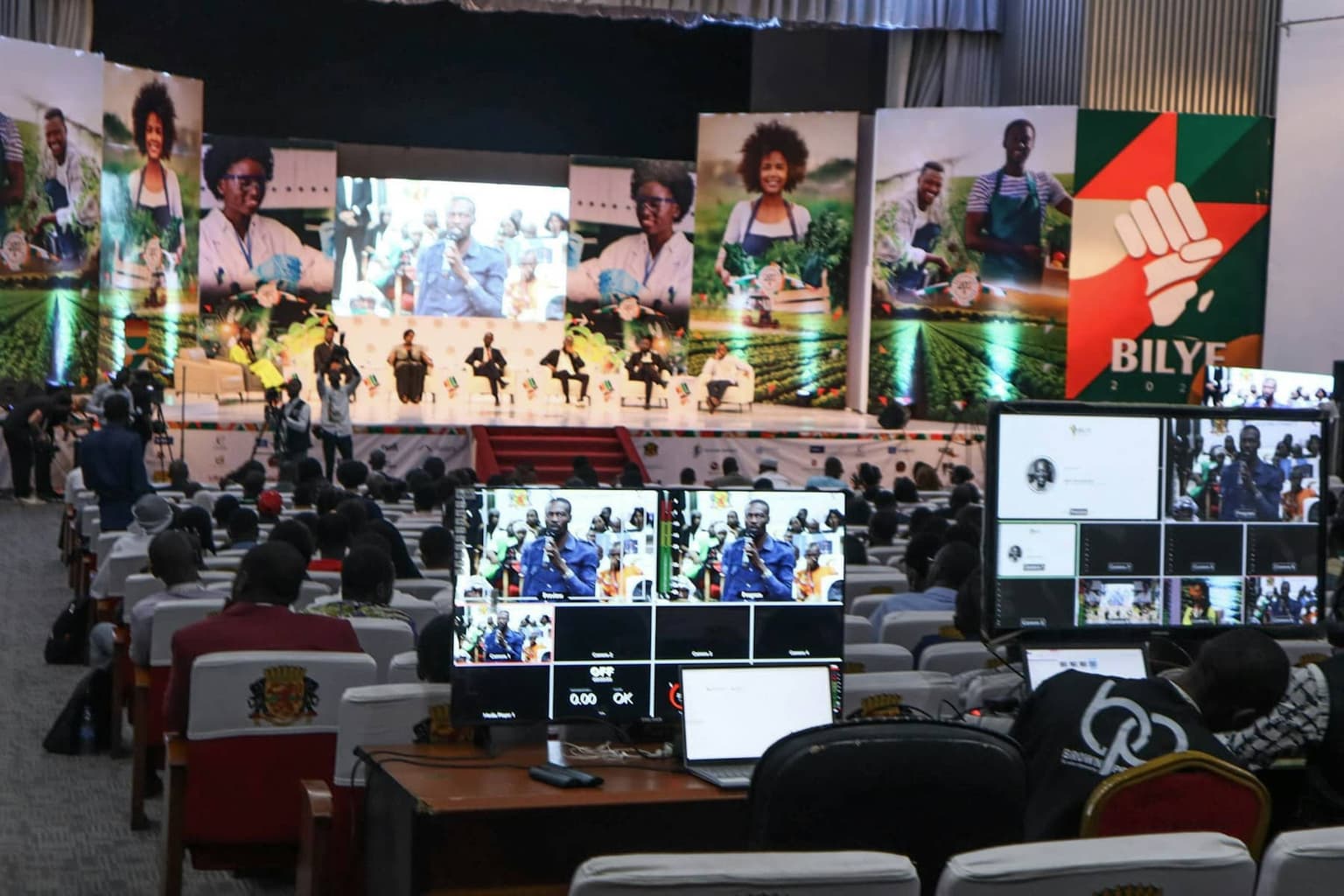
On results night you do not have an information problem. You have too much information, and it arrives at once, from everywhere. A command centre is the room that turns that flood into one clear picture and a short list of decisions. This is what a real one looks like.
What it is for
The command centre does three jobs. It collects every station's result as it comes in. It verifies each one. It surfaces the handful of things that need a human decision. Everything else, the totals, the map, and the running comparison, should happen on its own.
The roles
A command centre is people before it is screens. At minimum:
- A lead who owns the picture and makes the calls.
- Verifiers who check each incoming form against its photograph before it counts.
- A coordinator who works the field, chases the stations that have gone quiet, and unblocks agents.
- An escalation owner who takes anomalies and incidents and decides what happens next.
The screens
The room should show, on one wall:
- Coverage. A live map of which stations have reported and which have not. What you have not heard from matters as much as what you have.
- The running tally. Your independent total, updated form by form.
- Flags. The numbers that do not add up, raised automatically, each linked back to its form. These are the common tally mistakes you want caught as they arrive.
- Incidents. What agents report from the ground.
The decision flow
Every result runs the same loop. An agent captures the form. A verifier checks it against the photograph. The room confirms it and adds it to the total. The system checks it for anomalies. Anything flagged goes to the escalation owner. Most forms pass through in seconds, so the room's attention goes only to the exceptions.
Chaos versus control
The difference between a command centre and a WhatsApp group full of forwarded photos is structure, not effort. Both rooms are frantic. One produces a defensible, verified count and a short list of real problems. The other produces a thousand messages and no total.
You do not need a big room to have a command centre
This is a way of working, not a budget. A small campaign with a handful of laptops and a clear division of roles runs a real command centre. A large one with a wall of screens runs the same loop at scale. What matters is that capture, verification, totals and flags live in one place instead of scattered across phones.
Election Edge is that place: the live map, the running tally, the automatic flags and the incident feed, in one command centre. On results night your team makes decisions instead of chasing messages.
Election Edge runs the operation this piece describes: the parallel count, the agents, the command centre and the evidence, in one place. Request access.