How to recruit polling agents
How to find, vet, accredit, train, pay and keep the network that watches every station.
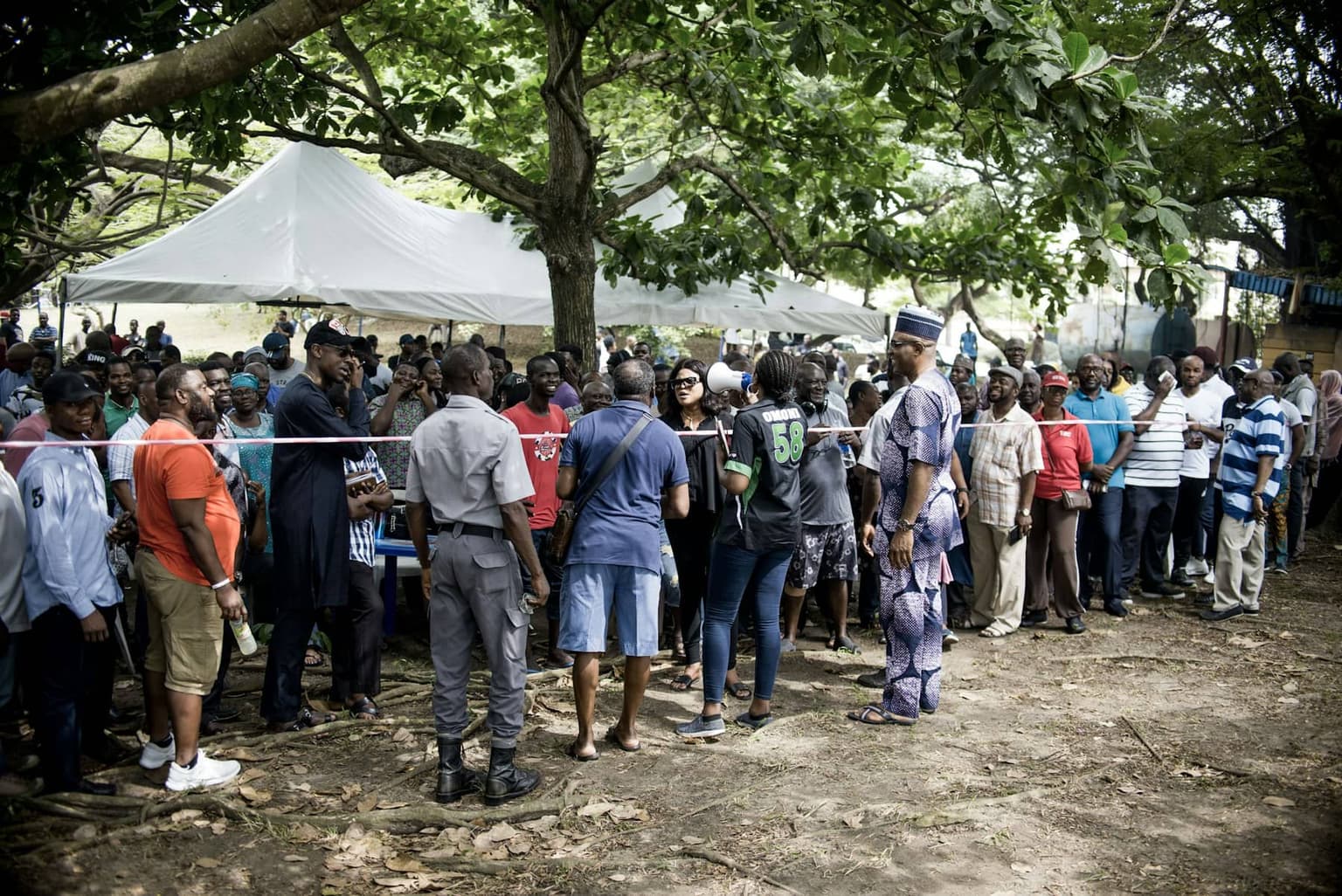
Your polling agents are the foundation of a results operation. They are the only people who see each station's primary results form as it goes up. A strong agent network gives you evidence. A weak or incomplete one gives you blind spots. This is how to build a strong one.
Who you are looking for
A good agent is trusted, local, and reliable for a very long day. In practice, that means someone who:
- lives near the station they will cover, and knows the community;
- can read a results form and record numbers accurately under pressure;
- has a smartphone and can use it;
- can commit to be present from before polls open until the form is posted and signed.
Where to find them
Recruit through the structures you already have: local organisers, community networks, and the people who show up. Proximity matters. An agent posted to their own neighbourhood is more reliable, better trusted in the room, and easier to support than one bused in from far away.
Vet before you assign
Vetting is the difference between coverage you can count on and coverage that disappears on the day. Confirm availability, a working phone, and basic numeracy. A short conversation now prevents an empty station later.
Get them accredited
Agents must be formally appointed to be in the room and to sign the form. Handle the official accreditation paperwork early and in bulk. It is a small task in month four and a crisis in the final week.
Train them on the one thing that matters
An agent's core job is narrow and vital. Read the posted results form correctly. Capture it faithfully, with a photograph of the form and not only a typed number. Know what to do if something looks wrong. Train that until it is automatic. Everything else is secondary.
Do the coverage arithmetic
Coverage gives no partial credit: an uncovered station is a hole in your count. Decide whether you staff every station or every centre. Add a second agent for the stations that matter most. Track recruitment against the target until there are no gaps.
Keep them, do not only sign them
Agents who feel supported show up and stay sharp. The plain things decide this. Pay them what you promised, on time. Sort out transport, food, airtime, and a way to charge a phone. Give them one clear person to call when something goes wrong. An agent stranded with a dead battery is a station you can no longer see.
Election Edge runs this network end to end. You invite and roster your agents, assign each to a station or centre, and give them one app to capture every form, even offline. The recruiting is yours. The machinery that points it at every station is ours.
Election Edge runs the operation this piece describes: the parallel count, the agents, the command centre and the evidence, in one place. Request access.