How a governor's campaign can watch 1,200 polling stations, live
A county race is decided across more than a thousand stations. This is how a campaign builds its own verified, live count of every one.
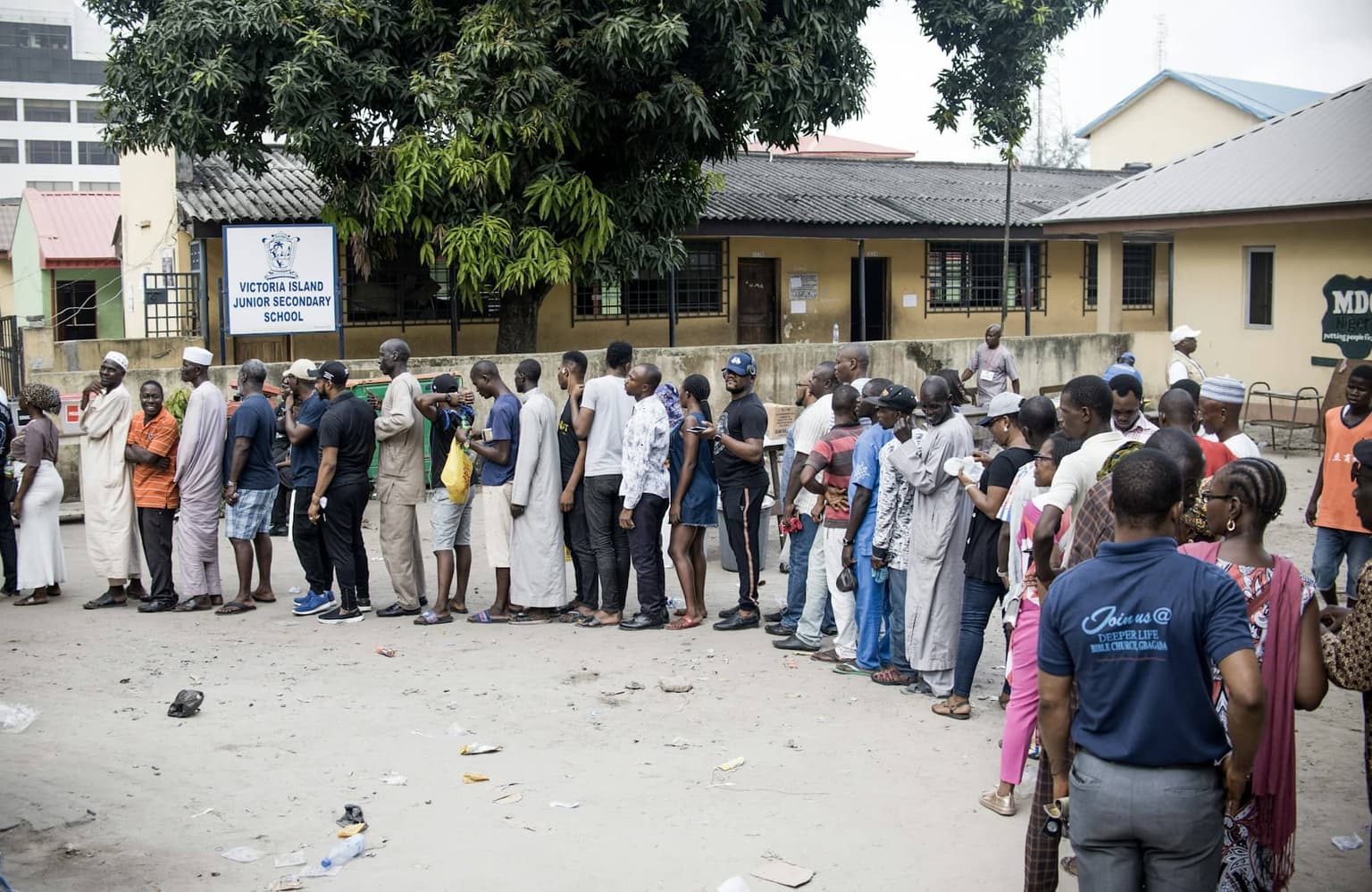
Take a Kenyan county as the worked example. A county elects its governor across several constituencies, dozens of wards, and well over a thousand polling stations. A state, regional or district race elsewhere has the same shape. On results night, the only people who see each station's Form 34A as it goes up on the door are the agents in the room. That ground truth usually scatters into WhatsApp groups and phone calls. By the time it reaches the campaign's tally room, it is hours old and no one can verify it.
That gap matters, because Kenya declares results form by form. Each polling station's Form 34A is the primary record. Those forms roll up to the constituency Form 34B and then to the county total. Election disputes have turned, again and again, on the difference between what a station posted and what the centre announced. That seam is exactly where a campaign needs its own verified record.
This is how a county campaign closes that gap with Election Edge, across roughly 1,200 stations:
- Assign every station. Before election day, the campaign maps its agents to all 1,200 stations, or to registration centres with their streams. Every agent knows where they are posted and what to submit.
- Capture at the source. When the presiding officer posts Form 34A, the agent photographs it and types the numbers into the app. The record carries the GPS position, the time, and the station. It syncs even on a patchy network, because the app queues offline and uploads when signal returns.
- Watch the county fill in live. In the command centre, a map of the county lights up station by station as forms arrive. The campaign sees a running total per candidate, turnout per station, and how much of the county has reported, hours before the official 34B.
- Catch what is off, automatically. The system flags a station that reports more votes than registered voters, and a Form 34A serial that appears twice. It flags arithmetic that does not add up, and a turnout spike far out of line with its neighbours. Each flag links back to the photographed form.
By the time the returning officer reads the county result, the campaign already holds its own verified count for all 1,200 stations, with a picture of every form behind it. If a number looks wrong, they raise it with a specific station and a specific document, not a vague suspicion. That is the difference between contesting an outcome and proving one.
Election Edge gives campaigns, parties and observer organisations the same station-by-station verification, in any county, region or district, in any country, for any race.
Election Edge runs the operation this piece describes: the parallel count, the agents, the command centre and the evidence, in one place. Request access.